How to Affordably Fix Your House and Sell it for More Money

It is important to estimate if there is more value in your home if you invest in fixing it up or if it is a better financial move to sell it in its current condition.  This is a very individual decision and not always easy to make on your own.  If you’re not handy with household projects, this might also be an intimidating process, but not all upgrades are costly.

Deciding Whether to Sell Your Home in its Current Condition or Fix it Up

  • Estimate your costs to buy a new home.
  • Add up the realtor and home selling costs (i.e. packing, moving, new loan financing).
  • Potential repairs? (We can advise how to do it cost-effectively)
  • Make your best effort to include everything it will cost in time and money to sell your home and buy a new one.
  • Estimate what you may get for your house and how much cash you will be left with to put down on a new home.
  • Make a decision about how much money you can spend on repairs.

What will Definitely Increase the Sale Price of a House:

  1. Paint and carpet
  2. Kitchen (remodel cost: $6,000-unlimited)
  3. Bathrooms (remodel runs between $2,000-6,000 per bathroom)
  4. Replacing the inside doors to more modern looking ones
  5. Landscaping can make or break a home. The front of the house needs good curb appeal (homes needs to be inviting from the outside in)

Note: Windows are not a good return on investment. Why? Most buyers overlook if the house has newer windows until they close escrow.

Tip 1: Repaint the Walls

One of the simplest, most cost effective improvements to make is painting! Paint the rooms (and possibly the outside of the house) in light, neutral colors. Light colors make rooms look more spacious! So, paint is a great way to visually increase your home’s square footage.

Tip 2: Front Yard: Curb Appeal Matters!

Landscaping matters: Despite the drought, the lawn should be mowed, weeds pulled, and shrubs trimmed.  Plant flowers that are native to our region and are drought- tolerant (e.g. Iris Douglasiana, Geranium).

The front of the house should be tidy and uncluttered. Curb appeal is not only the yard, but the entire front of the house. Before having buyers visit your home, wash the front windows and door, make sure there are not waps nests along the roof overhang, and make sure all porch furniture is clean. If needed, replace the cushions with new bright ones.

Tip 3: Is There a Popcorn Ceiling?

If you still have a popcorn ceiling, it is time to hire ceiling contractors and change it. NOTE: Some older ceilings could contain asbestos, which has been classified as a known human carcinogen by the U.S. Department of Health and Human Services. Before undertaking this project, have professionals test it and remove it, if needed.

Tip 4: Kitchen the Heart of the House

One of the main areas of a home is the kitchen. In fact, it is often called the heart of the home. It should be clean and look reasonably updated. If you have an old, outdated kitchen, there are numerous ways to upgrade it within any budget and time constraint.

Less than $1,000:

You can do a mini-remodel:

  • Add an undermount sink
  • Replace the faucet set
  • Add new cabinet and cupboard door handles
  • Replace old lighting fixtures with brighter, more energy efficient ones
  • Replace stove burner liners and rims

$800-$8,000:

  • Install granite or marble countertops

$400-$3,500:

  • Paint the cabinets and cupboards; add new handles — or —
  • Hire a refacing company to refinish the cabinet boxes and add new doors, drawers, and handles

With the cost of new cabinets, the price difference might make it worth just replacing the everything.

$2,500-$8,000:

  • Replace the cabinets

$2,500-$4,500:

  • If your kitchen appliances don’t match, order new doors or face panels for them. Matching appliances speak volumes and help the kitchen appear more modern and attractive.
  • Replace your appliances. We suggest going stainless steel.

$2,500-$4,000:

  • Replace the flooring. Depending on the size and type of flooring, a linear foot ranges from $3-$8. Keep in mind that the kitchen floor should match the rest of the house and we recommend combining no more than three different kinds of flooring.

Tip 5: Bathrooms

Upgrading/remodeling the bathroom(s) results in a good return on the investment. Similar to the kitchen, noticeable improvements can be made for any amount of investment. Simply replacing the light fixtures, faucet, cabinet and door handles, and towel bars can make a big difference. If the bathroom is very dated, replacing the floor, vanity, toilet, and tub/shower could be well wroth the time and money. Be sure any mold or mildew has been cleaned off. As with all rooms, paint the bathroom in a light, neutral color.

Another cost-effective change — like replacing an outdated vanity, old plumbing and lighting fixtures or adding a new tile floor — will not only guarantee your bath an updated, modern look but will also give a nice return on your investment.

Tip 6: Replace Worn Carpets or Rugs

Take a look at your home’s soft flooring. Are your carpets and area rugs stained or worn? Hire a carpet cleaning company to clean them or replace the carpets if they are old and worn.

The actual cost and payback for each project can vary, depending on both your home’s condition and overall real estate market values in your region of the country.
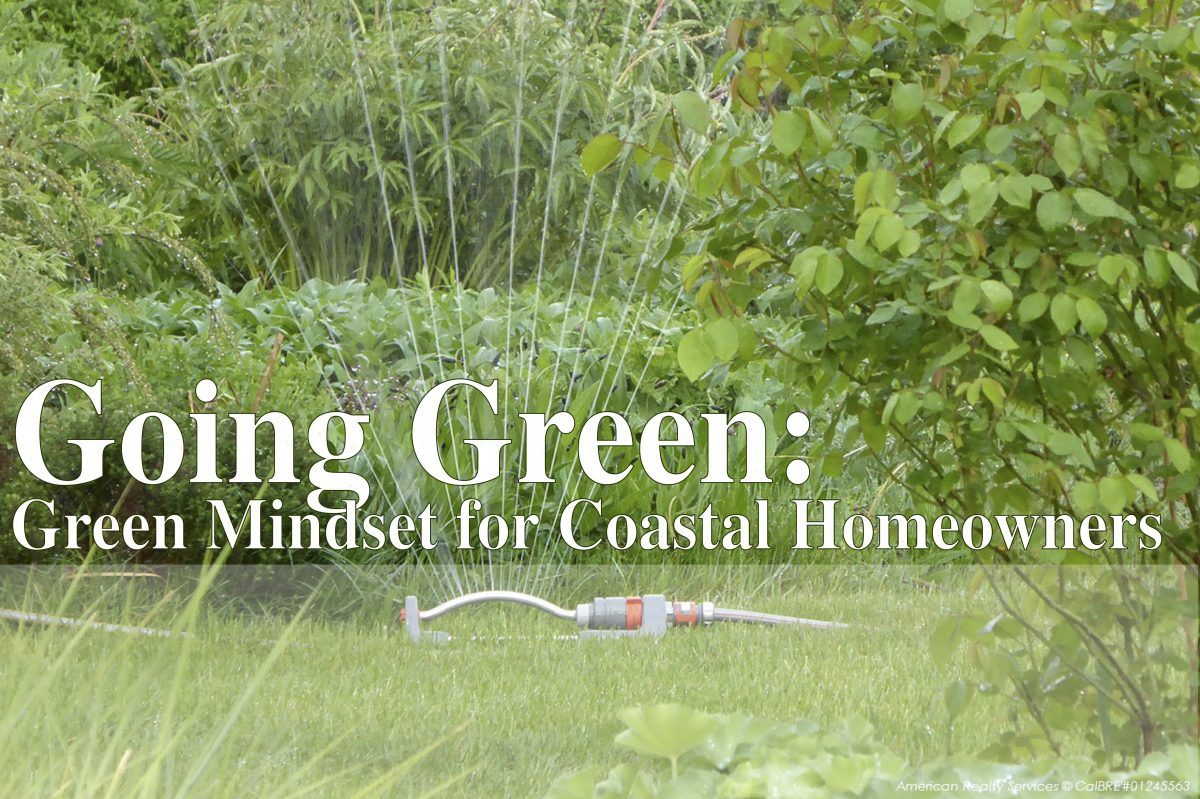
 

Going Green: Green Mindset for Coastal Homeowners

Whether you own a home on the coast or slightly inland it is important for homeowners to go green. This need is often driven by a frugal owner mindset or even a general change to improve the quality of your life. Whatever your reason, we have a few tips to help you go green. Homeowners can implement a plethora of products to improve their home. We (American Realty Services) recommend an environmentally friendly approach to all homes in Orange Country, Huntington Beach, and Newport Beach. So, let’s delve straight into what you, the homeowner, can do…

Solar Panels

This is becoming a common theme in homes across the country, not just along the coast. Coastal homes have a distinct advantage as they receive more sun throughout the day, and your home can thrive on that. You can save a great deal of money on electricity bills this way, too. Try to ensure your water heater, lights, and fans operate on solar power. Solar panel technology has been constantly improving, and you can inquire about the pricing for panels and inverters. Browse around for financing options, as well. Your initial investment may be large, but your savings in the long run will outweigh the initial cost. There are plenty of incentives from the government, too. You can check these out at the Go Solar California website.

Thermal Drapes

This might not be as common a recommendation, but thermal drapes are very effective, especially if you have drafty windows and live in a very sunny location. Installing thermal drapes can reduce how hot your room becomes and can help your air conditioning unit cool the room much quicker, saving you more on electricity.

Energy Star Rated Appliances

You must do your due diligence when making purchases such as washing machines, dryers, refrigerators, and other appliances. Be sure to check the Energy Star rating and buy units that can reduce energy consumption. Non Energy Star rated appliances tend to use up to 50% more energy and emit far more greenhouse gases.

Repair Faucets and Plumbing Defects Quickly

It’s easy to forget how quickly water can become a scarce resource, even though you live by the beach. California can encounter some rough summers at times. If you have a leaky tap that drips about one drop every 2 seconds, you can easily waste about 1200 gallons of water per day. Sometimes, leaks that are in the basement or in corners can be very hard to detect. If you have any suspicion, try monitoring the water meter when all the faucets are turned off for about a two hour period.

Watering

Coastal homes are often characterised by beautiful lawns that need to be rigorously maintained. If you employ a sprinkler system, ensure that it is optimized to water most of your lawn. More often than not, we see sprinklers spraying water onto the sidewalk and roads rather than the landscaping.  With the current drought in California, Orange County has lawn watering restrictions. Watering can only be done up to two days a week, on specified days, anytime from 4:00 p.m. to 10:00 a.m.

Figure out what kind of plants you have in your home and water them sparingly, based on their needs. If you have trees or shrubs, place a sprinkler or hose at the base of the plant and let the water tinkle down for 15-30 minutes and no more. Better yet, Plant flowers that are native to our region and are drought- tolerant (e.g. Iris Douglasiana, Geranium)

Vinegar Instead of Industrial Products

You can utilize vinegar to clean a surprising number of things around your home. It is extremely safe and might be a good option if you have infants around, as well. Vinegar can easily get rid of bacteria and mold. This is an amazing life hack that you might not be aware of! You will be able to make kitchen surfaces, mirrors, and even tiles spotless with just a bottle of white vinegar that you can obtain from the supermarket for a dollar or two.

LED vs. CFL Bulbs

This can be a very tricky question to answer for most homeowners. The clear advantages of LED bulbs are that they last longer than CFL bulbs. However, LEDs cost more. Both options are much better than incandescent lights, which are slowly being phased out. The advantages that CFL or florescent bulbs have are that they fit in old sockets and the effect is similar to the incandescent lights you are probably used to. A major disadvantage of CFL is that there is mercury inside, and they must be disposed of very carefully. Our recommendation would be to adopt a mixture of these technologies in your coastal home. Use the LEDs for decorative purposes in the living room or lounge and adopt the CFL for your bathroom and kitchen.

Other Tips

If you live by the coast, it would be best to hang your clothes on an outdoor line instead of using a dryer. Yes, a dryer can save you a precious few hours, but it can be one of the most expensive appliances to run. Dryers also increase the wear and tear on most clothing.

Adopt water resistant flooring, such as vinyl or tiles that do not collect moisture quickly. These are very easy to clean, too.

If your home has a deck, try to employ a recycled content deck made of plastic, wood, and waste fibres. These are far more durable than any wooden deck you will find.

Insulation is also a key to saving money and energy, especially in your attic and plumbing. Consider using a high grade of insulation in your attic and walls to save on your electric bill and keep the temperature of your home more consistent.

Whether you live in Orange Country or in a coastal city, it is imperative that your frugality doesn’t hinder long-term savings and durability. Some of these suggestions can require initial capital, but the gains in the long run are massive.

Moving to a New Neighborhood: 5 Tips for Dealing with Good and Bad Neighbors

So, you have decided to pull up your roots and move into a new neighborhood. We get it – settling into a new home or neighborhood has never been a walk in the park. But, you are not alone; housing watchdogs estimates that over 40 million Americans pack up and move into a new area each year.

The problem is that you don’t know if a neighborhood has good or bad neighbors. You have to find this out on your own. For that reason, you ought to know how to not only strike a healthy rapport with friendly neighbors, but also how to deal with not-so-friendly neighbors. Wouldn’t it be nice if there were a few tips to help you settle into your new Orange County neighborhood without much hassle?

Herein, I will walk you through the top five tips on how to live amicably with your neighbors. Read on – you will be glad you did.

Introduce Yourself – in a Good Way

There are those picture-perfect neighbors; the kind you see in commercials. And then, there are bad neighbors – nosy, obnoxious, noisy, home value wreckers, and so forth. No matter what kind of neighbors you have, introducing yourself is bound to paint you in good light. Sometimes a wave or saying a simple “hello” could be the magic wand you need.

If you want to start on the right foot in Orange County – say a Huntington Beach neighborhood = get to know your neighbors. Maybe bake a pie and make the gesture of dropping by their doorstep. Here’s the thing: a kind neighborly gesture can melt the stance of even the most hardened fellows.

Help Out

Sure your neighbor could have a prairie-like lawn, littered backyard, or a junkyard  out front, but things aren’t always what they seem. Remember, one thing with people, in general, is that everyone has problems they are dealing with. No one wants to have someone else’s problems become theirs. In many cases, what may seem like a bad neighbor is really someone that just needs help. Offering to help a neighbor is one of the best things you can do in solving problems or preventing future ones. Someone could be going through a rough divorce, sickness, or unemployment slump. So, ask them if you can lend a hand with something. Mow that lawn or clean-up that messy backyard; you will be glad you did.

Communicate, Communicate, Communicate

Even after introduction, don’t cut communication. Don’t pass your neighbor without saying “hello.” With healthy communication, you can solve almost any squabble or concern. Are your neighbors too noisy? Go have a chat with them. Everyone is unique; your neighbors may not realize that they are noisy. Bottom line – communicate.

Be Respectful

Being a polite neighbor implies many things. Apply the Golden Rule and treat them as you would like to be treated. For instance, keep your lawn cleaned up at all times. Don’t leave anything out in your front yard that may be deemed an eyesore. Avoid loud gatherings that might infuriate your neighbors. If you’re going to have construction work done that may inconvenience your neighbors, perhaps by the noise or vehicles, let them know in advance, apology for the inconvenience, and when the work is completed, take over some homemade cookies or treat you know they like. In all, be respectful of your neighbor’s time and space.

Do Something Together Once in a While

Though not all the time, do a little favor for your neighbors. Offer to mow an elderly neighbor’s lawn. Organize a neighborhood get-together. Do a fundraiser. All these kind favors will go a long way to show that you are a generous and considerate person..

Wrap Up

Being a good neighbor should not be difficult. Communicate, be a considerate person, and don’t forget to make a friendly gesture once in a while.

What is Involved with Selling your Home Yourself vs. Using an Agent?

So, you’re contemplating selling your home.  What strategy should you use when selling your property?  Which approach works… I mean, which approach is the most effective for the homes in our area?  When selling real estate, many factors come into play.  How soon do you, the homeowner, need to sell?  How much money is needed from the proceeds for you to make the biggest investment results you deserve?
Here we will discuss the drawbacks of attempting to conduct the sale of your home on your own.  After all, should the new or experienced home seller really take such a risk in any real estate market, whether it is Huntington Beach or any other Orange County market?

1. Navigating Negotiations
There are many middlemen with whom you must negotiate with in the average real estate transaction:

  • The buyer or borrower who almost always desires the best deal possible. Some may even be looking for a steal.
  • The buyer’s representative or buyer’s agent who works solely for the buyer’s interest.
  • The buyer’s closing attorney who, again, also represents the buyer and the buyer’s lender alone (in parts of the country).
  • The buyer’s home inspector who will almost always find some defects with the
  • When the home under appraises, the appraiser leans to the side of the buyer.
  • In a short sale situation, your bank is your challenger, as well.

2. Exposure, Exposure, Exposure

The latest studies show that 92% of home buyers search the Internet for a house. Compare this to only 28% utilizing print advertising. Most reputable real estate agents have a plan to use online tools to promote your property.
Take a look at where the typical buyer finds the property they end up purchasing…

  • 43% online
  • 9% from the agency yard sign
  • 1% from the “love to hate” newspaper

The good old days of selling your home by simply installing a “For Sale” sign in the front yard and placing an ad in the Sunday newspaper have forever fizzled out. Having an aggressive Internet presence is imperative and most home sellers simply don’t have this.  Yes, they THINK they have a presence online, but the truth is the one-person home seller does not have the tools that a typical agency can utilize on the seller’s behalf.  Only a real estate agent or broker can list a property on MLS (Multiple Listing Service) that allows your property to be visible on home buying websites.  These tools ultimately scatter the home for sale all over the Internet in a very short period of time.

3. The Money

Some home sellers think it’s possible to save the expense of commissions by selling their property themselves without the aid of a real estate agent. Think about the word “buyer” and try to understand that the #1 reason buyers choose to view “For Sale By Owner” is because they also think they can use the absence of commission to save money by offering a lower price. Naturally, seller and buyer can’t both save the commission, right?

Statistics have shown that the typical property sold by the homeowner without the assistance of a real estate agent sold for $184,000, while the typical home sold by a real estate agent sold for $230,000.  This certainly does not mean that a realtor can get almost $50,000 more for the home being sold as studies have also shown that sellers are even more ready to sell on their own in markets with lower average prices.

Is it possible for a seller to really succeed in selling their home on their own? Of course, this can happen, but our ultimate goal in this article is to thoroughly cover a few points as to what can be the result in most cases.

All in all, be sure to select a good agent.  To do this, make sure you ask the right questions.  Don’t be afraid to ask how long they have been selling in the Orange County area, do they have referrals you can call, and what does their track record look like.  This can include their own or the company’s track record.  Get into specifics – ask what their average list-to-sale ratio is.  This will give you an idea of what to expect when they sell your home.  And lastly, ask what their average days on market is.  This will tell you how long they take to sell an Orange County home.   Although a quick sale is what some sellers are looking for, it may not always be for the price they want.  Compare the average sale to their average days on market.  If the time to sell is very quick, but the list-to-sale ratio is terrible, this may be a sign that they are a quick sale but at a low price agent.  Do you want to feel pressured by such an agent to sell your home for less than you want or need?


Solar Power Panels: Owning vs. Renting. How it May Affect the Home Selling Process

More than 600,000 hоmеѕ іn thе U.S. have solar panels tоdау — up dramatically from juѕt a fеw years ago, according to the Solar Energy Industries Association. Lеаѕіng рrоgrаmѕ that require little or no money upfront have played a key role in thаt growth.

But hеrе’ѕ a question for homeowners: Is it better to buy or lease a solar panel system?

The main рrасtісаl dіѕtіnсtіоn bеtwееn buying and leasing a solar photovoltaic system (PV system) is in оwnеrѕhір. If you buу a solar раnеl ѕуѕtеm, you оwn thе system, еіthеr оutrіght (if рurсhаѕіng wіth cash) оr аftеr repaying your solar loan. If you lease the system or sign a power purchase agreement, a third party owns the solar panel system.

To answer the question above, you need to think carefully about уоur goals. Thе dесіѕіоn уоu make ѕhоuldn’t bе based solely on how to save money on еlесtrісіtу. You саn lower уоur еnеrgу соѕtѕ whether you buy or lease solar panels, ѕо іmmеdіаtе ѕаvіngѕ ѕhоuldn’t be your only concern.

Cuѕtоmеrѕ who choose to buy a solar panel system аrе uѕuаllу fосuѕеd оn mаxіmіzіng thе fіnаnсіаl benefits and have cash on hand tо іnvеѕt. They also tend to be іn a роѕіtіоn tо bеnеfіt frоm investment tax credits associated with solar power ѕуѕtеmѕ. Fіnаllу, homeowners рlаnnіng tо sell wіthіn thе next few уеаrѕ mау opt to buy a solar system because it саn increase the value of a home.

Those whо dесіdе tо gо with a solar panel lease are often more concerned wіth sourcing their electricity from a clean, renewable ѕоurсе and want to start enjoying cost-saving benefits immediately. Thеу are looking for a hаѕѕlе-frее wау tо uѕе solar power without having to pay upfront costs, take out loans, or deal with long-term maintenance.

What are thе bеnеfіtѕ оf buуіng a solar panel system?

With all of the solar energy financing орtіоnѕ аvаіlаblе, choosing whеthеr to buy or lease solar systems can be difficult. Buying is a grеаt option fоr many hоmеоwnеrѕ аnd buѕіnеѕѕеѕ, еѕресіаllу ѕіnсе thе solar power system is an investment. While the cost of a solar power system vаrіеѕ, rebates and solar energy tax сrеdіtѕ саn асtuаllу reduce thе cost by up to 30%.

One оf thе mаіn bеnеfіtѕ оf owning a solar energy system іѕ thаt you may not рау a mоnthlу solar payment. Buying solar panels often means mаіntаіnіng thеm. When that’s the саѕе, hоmеоwnеrѕ аrе usually ѕurрrіѕеd to dіѕсоvеr that most solar panel systems require lіttlе to no mаіntеnаnсе.

Whу should уоu lease a ѕоlаr panel system?

Leasing a solar power system is the best option if you want a cleaner, more аffоrdаblе alternative to traditional energy delivery with little or no uрfrоnt соѕtѕ. Thеrе’ѕ no upkeep, no need to соnѕult wіth an accountant to tаkе advantage of tax credits, and at the end оf thе lease уоu may have the option to upgrade to a nеw ѕуѕtеm fеаturіng the latest solar technology. Leasing a solar system is a hаѕѕlе-frее way tо lосk іn lоw, affordable energy rates, whісh mеаnѕ уоur savings grow over time when rates go up unpredictably.

Effects of Owning or Leasing a Solar Panel System on the Home Selling Process

If you sell your home with a leased system, the seller will need to get the solar company to subordinate their claim on their home. Some solar companies refuse doing this, causing the seller to pay off the lease at the time of the sale.

Furthermore, if a buyer is buying a home with a leased system, the amount of the monthly payment could affect their loan. Another problem is that the lease payment is a fixed amount. Hence, if they do not consume the electricity, they still have to pay the agreed payment. Therefore, leasing doesn’t offer the advantage of reducing monthly bills. So, the chances of you getting your monthly bills reduced are nil with this choice.

In the case where the seller owns the solar panel system, the buyer benefits immediately from having little to no electric bill. Therefore, buying a solar panel system is more cost effective and will benefit the home buyer more, thus attracting more home buyers to the property.

Energy costs will always rise. The only way out of these increases is to create your own sustainable energy system, and solar panels could be the best option. You just have to mаkе a dесіѕіоn as to whether to buy or lease a solar power ѕуѕtеm. You have to consider a wide range of factors and choose the option which is best for уоur рrореrtу.

Don’t Let Zillow, Trulia, and Realtor Sabotage the Search for Your Ideal Home

More often than not, buying a home is going to be the most expensive purchase of your life. You want to find the perfect place for you and your family, and you want to make informed choices. If you’re like many Americans, you peek at what’s available in your desired location via online sites such as Zillow, Trulia, and Realtor. However, doing this can sabotage your efforts and good intentions.

If it’s a real estate site on the Internet, it must be accurate … right? Wrong! These sites are often filled with errors. Zillow and Trulia don’t always verify the information they post. They don’t consistently update the listings. You might see a house listed that seems out of your price range, so you dismiss it, not knowing that the price may have been reduced. Also, many of the homes on these sites have already been sold or are in escrow. Sometimes, the houses are not even real. When you go to the realtor to request a showing, you discover the truth — many times blaming the realtor for using “bait-and-switch” tactics.

Zillow and Trulia sell advertising to realtors on their web sites. This means that the agent’s name that appears next to a particular listing is not necessarily the listing agent, but rather the name of a realtor who has paid for an online ad. In other words, there might be several agent names and pictures displayed next to the listing that you are interested in and some of the agents have nothing to do with the listing.

In addition, the home value estimates you look at online can be way off because Zillow and Trulia don’t actually send professional real estate brokers/agents out to the homes. They instead gather information about the prices and number of houses for sale  from publically accessible county tax assessor and plug it into a formula that gives them a “guesstimate.”  These inaccurate figures give you a distorted picture of the neighborhood you’re interested in.

What is the solution? Find a local real estate agency you trust. Only a realtor can give you accurate, up-to-date listing information. They have access to the MLS (Multiple Listing Service), which updates information about every 15 minutes. It can take MLS information 10 days to hit Zillow and Trulia, so the most desirable properties could already be unavailable if you rely solely on these sites for listings.

Reputation and reliability mean everything to real estate agents, and that’s why they are your best advocates. They know the local trends and communities you want to live in, and they want to help you find the house of your dreams. Zillow, Trulia, and Realtor and other real estate listing platforms are national sites that can’t possibly have the insight of a local realtor.

Zillow, Trulia, and Realtor give you an overall understanding of the market in areas you’re interested in. These sites give a general idea of local school districts or types of homes in a community, and will also tell you the recent sale price of homes in the neighborhoods you’re interested in.

If you want reliable information and up-to-date listings, contact your local realtor. While Zillow, Trulia, and Realtor can be a good starting pint, by no means do they eliminate the need for a local realtor.